


Navruz is one of the oldest and most meaningful celebrations in human history. For thousands of years, it has symbolized the awakening of nature, the beginning of the astronomical new year, and a new stage in human life. This traditional festival not only represents the renewal of nature, but also reflects the purity of human thoughts and feelings, strengthens cultural identity, and promotes moral and humanistic values in society. In the period of independence, the importance of Navruz has grown even more, and today it is widely recognized as a celebration of unity, friendship, and social cohesion.
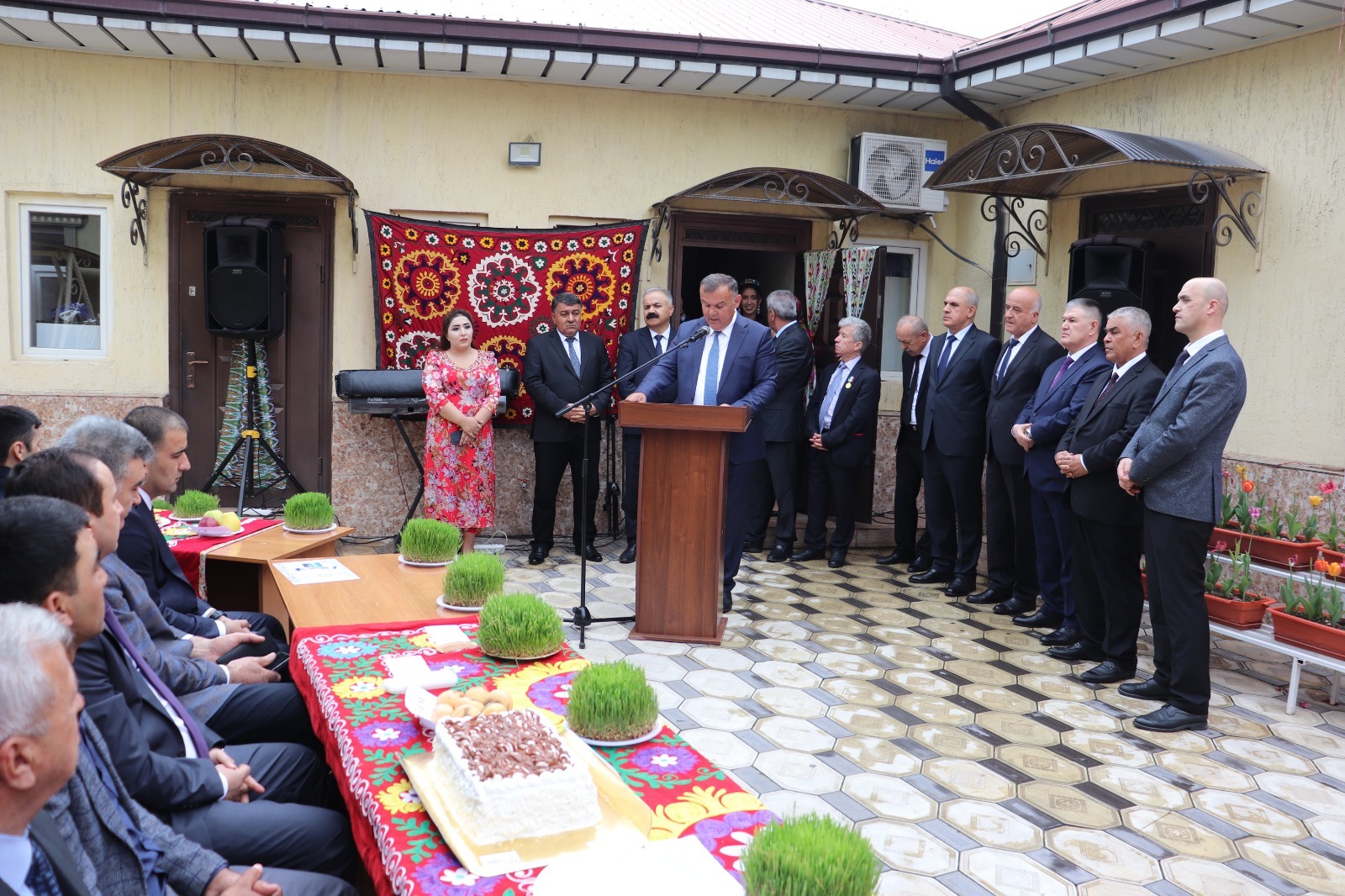
With this festive spirit and a deep respect for cultural heritage, a Navruz celebration was organized at the Higher Attestation Commission under the President of the Republic of Tajikistan. The event was attended by the leadership, staff members, and invited guests. The venue was decorated with national symbols, traditional elements, and festive tables, creating a vivid atmosphere of spring and renewal.
The event began with an opening speech by the Chairman of the Commission, Doctor of Biological Sciences, Professor, and Corresponding Member of the National Academy of Sciences of Tajikistan, Saifiddin Davlatzoda. In his speech, he warmly congratulated the participants on the occasion of the International Navruz Holiday. He emphasized that Navruz remains an important part of world civilization and continues to encourage unity, creativity, and the preservation of positive human values. He also noted that such celebrations help strengthen respect for national traditions and play an important role in educating the younger generation in the spirit of patriotism and cultural awareness.
After that, well-known scholars of the country, Rustam Tagoymurodzoda and Khayol Boboev, spoke about the ancient history, cultural aspects, and global importance of Navruz. They pointed out that today Navruz serves as a bridge connecting different cultures and civilizations.
The event continued with cultural and recreational activities, as well as the conclusion of traditional Navruz competitions. Among them were contests for arranging the “Haft Sin” and “Haft Shin” tables and preparing national dishes. Participants actively took part and demonstrated their skills in presenting traditional customs and cuisine. Each table was creatively designed, reflecting symbols of abundance, prosperity, and respect for nature.
In addition, sports competitions dedicated to Navruz were held to promote a healthy lifestyle and encourage fair competition among staff members. Participants competed in activities such as checkers, chess, and table tennis, showing good performance. The winners and active participants were awarded Certificates of Honor.
Moreover, several employees who made valuable contributions to the development of the institution and the implementation of various initiatives were recognized with certificates and financial rewards.
A colorful cultural program with festive songs and performances added a joyful atmosphere to the celebration. The warmth, sincerity, and happiness seen among participants highlighted the importance of Navruz as a celebration of renewal, unity, and goodwill.
In conclusion, this event clearly demonstrated that Navruz is not only a seasonal celebration, but also an important factor in strengthening social unity, supporting cultural development, and promoting moral values in society.